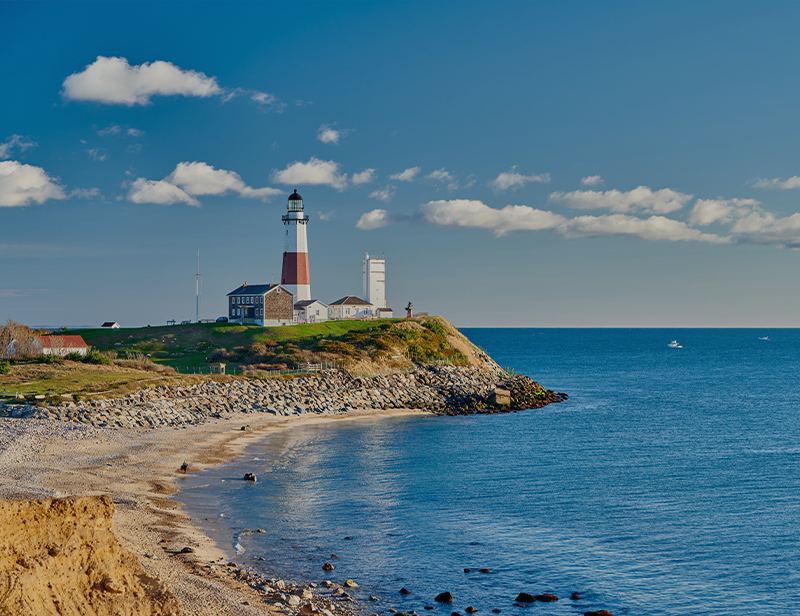

The Montauk Point Lighthouse Museum is one of Long Island’s most popular historic attractions. Visitors come to explore the museum, climb the lighthouse tower, and enjoy the surrounding coastal views. However, an unexpected accident can turn a sightseeing trip into a painful experience.
If you get injured at the Montauk Point Lighthouse Museum, you may have the right to file a personal injury lawsuit under New York law. Your options depend on how the accident happened, who was responsible, and whether negligence caused your injuries.
Understanding your legal rights can help you take the next steps toward recovering compensation.
What Types of Accidents Can Happen at the Montauk Point Lighthouse Museum?
The lighthouse dates to 1796 and features historic structures, stairs, walkways, and outdoor viewing areas. Although visitors should exercise caution, property owners must also take reasonable steps to prevent foreseeable injuries.
Potential accidents include:
- Slip and fall accidents. Wet floors, uneven walkways, or slippery surfaces may cause visitors to fall.
- Stairway accidents. Poor lighting, damaged steps, or unsafe handrails may contribute to injuries.
- Trip and fall accidents. Cracked pavement, loose flooring, or unexpected obstacles may create hazards.
- Falling objects. Unsecured equipment or building materials could strike visitors.
- Parking area accidents. Poor maintenance or dangerous conditions may cause pedestrian injuries.
Not every accident establishes negligence. Liability depends on the circumstances and whether someone failed to exercise reasonable care.
Who Is Responsible for Injuries at the Montauk Point Lighthouse?
The Montauk Historical Society owns the lighthouse and operates the museum. However, nearby Montauk Point State Park is a separate public property. This distinction matters when determining who may be legally responsible.
Depending on where and how the injury occurred, potentially liable parties may include:
- The museum’s owner or operator
- A maintenance or cleaning contractor
- A third-party vendor
- A government entity responsible for nearby public property
For example, a fall inside the museum may involve different legal questions than an accident on a state-maintained pathway.
An investigation can help identify the responsible parties and determine which legal rules apply.
How Do I Prove Negligence After an Accident at the Lighthouse?
Most museum injury claims involve New York premises liability law.
Property owners generally must maintain their premises in a reasonably safe condition under the circumstances.
To establish negligence, an injured visitor must show that:
- A dangerous condition existed.
- The responsible party created the hazard or knew about it.
- The responsible party failed to take reasonable precautions.
- That failure caused the visitor’s injuries and damages.
Evidence may include photographs, witness statements, maintenance records, and surveillance footage.
The facts matter. A property owner is not automatically responsible for every injury that occurs on the premises.
What Should I Do After Getting Injured at the Montauk Point Lighthouse Museum?
Taking the right steps after an accident can protect your health and strengthen your legal claim.
If you suffer an injury, consider the following:
- Seek medical attention. Have a healthcare professional evaluate your injuries.
- Report the accident. Notify museum staff and request documentation.
- Take photographs. Document the hazard, accident location, and visible injuries.
- Collect witness information. Ask anyone who saw the incident for contact details.
- Preserve evidence. Keep medical bills, receipts, and other relevant records.
- Contact an attorney. Get advice before accepting an insurance settlement.
Prompt action can help preserve evidence that might otherwise disappear.
What Compensation Can I Recover for a Museum Injury?
If another party’s negligence caused your injuries, you may be entitled to compensation.
Depending on your case, recoverable economic damages may include medical expenses, future treatment costs, lost wages, and reduced earning capacity.
You may also seek compensation for non-economic damages. These damages may include pain and suffering, emotional distress, and permanent physical limitations.
New York follows a pure comparative negligence rule. Under this rule, your compensation may be reduced if you share responsibility for the accident. However, partial fault does not automatically prevent your recovery.
Contact a Long Island Premises Liability Lawyer at Carrion Accident & Injury Attorneys, PLLC Today
If you were injured at the Montauk Point Lighthouse Museum, you deserve to understand your legal options.
Contact Carrion Accident & Injury Attorneys, PLLC to schedule a free consultation with a Long Island premises liability lawyer. We can investigate your accident, identify liable parties, and pursue compensation for your losses.
For more information, contact an experienced premises liability lawyer at Carrion Accident & Injury Attorneys, PLLC to schedule a free consultation.
We proudly serve clients from our offices in Queens, Manhattan, and Long Island. Our attorneys represent injury victims across Queens County, Nassau County, Suffolk County, New York County, and nearby communities throughout the New York metropolitan area.
When you need trusted legal guidance after an accident, remember one number: 212-CARRION.