

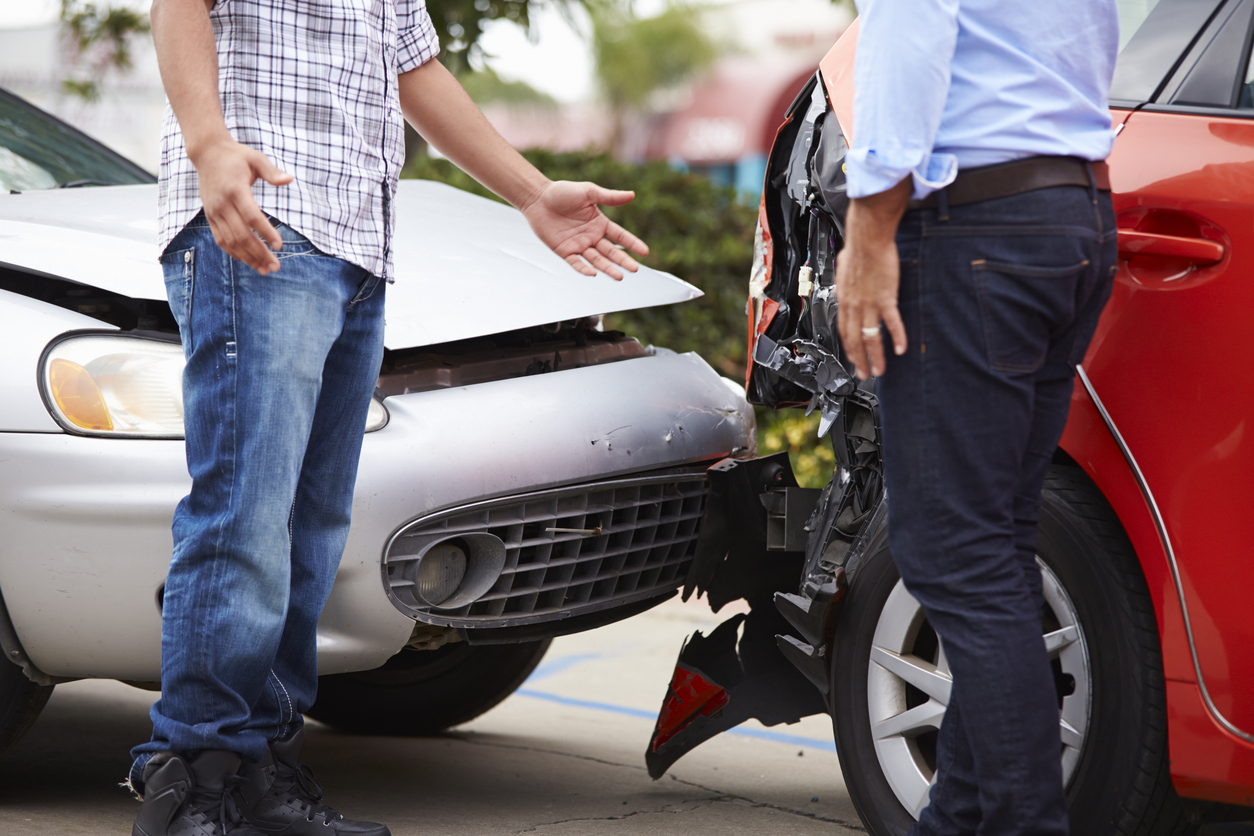
Brake checking is a dangerous driving behavior that can quickly turn an ordinary commute into a serious collision. It occurs when a driver intentionally slams on or abruptly taps their brakes to startle or punish the driver behind them. While some people mistakenly believe brake checking is a harmless way to express frustration, it can easily lead to rear-end crashes, chain-reaction collisions, and severe injuries.
In New York, determining fault after a brake-checking accident can be more complicated than many people realize. Although rear drivers are generally expected to maintain a safe following distance, the actions of the lead driver may also be considered. Understanding how brake checking contributes to accidents can help drivers stay safer and better protect their legal rights after a collision.
If you have been injured in this type of crash, speaking with an experienced car accident attorney in Long Island can help you understand your legal options and pursue the compensation you may be entitled to.
What Is Brake Checking?
Brake checking happens when a driver suddenly applies the brakes without a legitimate reason. Instead of slowing for traffic, pedestrians, road hazards, or traffic signals, the driver intentionally brakes to force the vehicle behind them to react.
Drivers may brake check because they:
- Believe another driver is following too closely
- Feel angry or frustrated by another motorist
- Want to intimidate another driver
- Engage in road rage or aggressive driving
- Attempt to cause an accident for insurance fraud (in rare cases)
Regardless of the motivation, brake checking creates an unnecessary hazard that puts everyone on the road at risk.
Why Is Brake Checking So Dangerous?
Modern vehicles can stop surprisingly quickly, but drivers still need adequate time to perceive danger and react appropriately.
When someone unexpectedly slams on their brakes:
- The trailing driver may not have enough time to stop.
- Other vehicles behind may also collide.
- Drivers may swerve into adjacent lanes.
- Multi-vehicle crashes become more likely.
- Motorcyclists are especially vulnerable.
- Commercial trucks require significantly longer stopping distances.
Even low-speed rear-end collisions can result in painful injuries, while high-speed crashes may cause catastrophic or fatal injuries.
Common Injuries Caused by Brake Checking Accidents
Even crashes at relatively low speeds can produce significant injuries due to the sudden force involved.
Common injuries include:
- Whiplash
- Neck injuries
- Back injuries
- Herniated discs
- Concussions
- Traumatic brain injuries
- Shoulder injuries
- Broken bones
- Chest injuries from seat belts
- Facial injuries
- Spinal cord injuries
Some victims experience symptoms immediately, while others may not notice pain until hours or days later. Seeking prompt medical attention helps protect both your health and any future injury claim. If you were injured in a collision, consulting an experienced car accident lawyer in Queens, NY can also help you understand your legal rights and protect your claim from the very beginning.
Evidence That Can Help Prove Brake Checking
Intentional brake checking is difficult to prove without evidence, so documentation becomes extremely important.
Helpful evidence may include:
- Dashcam video
- Traffic camera footage
- Vehicle damage
- Skid marks
- Black box (event data recorder) information
- Police accident reports
- Eyewitness testimony
- Cell phone records if distracted driving is suspected
- Accident reconstruction analysis
The more evidence available, the easier it may be to establish how the collision occurred.
What to Do After a Brake Checking Accident
The steps you take immediately after an accident can significantly affect both your physical recovery and your legal claim.
If possible:
- Move to a safe location.
- Call 911 to report the crash.
- Seek medical attention, even if you feel fine.
- Exchange information with the other driver.
- Take photographs of the vehicles, roadway, and surrounding conditions.
- Obtain contact information for witnesses.
- Avoid arguing or admitting fault.
- Notify your insurance company.
- Keep copies of all medical records and repair estimates.
Prompt documentation often preserves evidence that may otherwise disappear.
Contact the New York Car Accident Lawyers at Carrion Accident & Injury Attorneys, PLLC for a Free Consultation
Brake checking is an aggressive driving behavior that can cause devastating accidents and life-changing injuries. While rear-end collisions often create a presumption that the trailing driver was at fault, intentional brake checking can complicate liability and may shift responsibility depending on the available evidence.
If you have been injured in a brake-checking accident in New York, understanding your rights is an important first step. For more information, contact an experienced car accident lawyer at Carrion Accident & Injury Attorneys, PLLC to schedule a free consultation.
We proudly serve clients from our offices in Queens, Manhattan, and Long Island. Our attorneys represent injury victims across Queens County, Nassau County, Suffolk County, New York County, and nearby communities throughout the New York metropolitan area.
When you need trusted legal guidance after an accident, remember one number: 212-CARRION.
Long Island Injury Law Office
Carrion Accident & Injury Attorneys, PLLC
532 Broadhollow Rd, Suite 125, Melville, NY 11747
(212) 433-3100
Open 24/7
Queens Injury Law Office
Carrion Accident & Injury Attorneys, PLLC
74-09 37th Ave #301A, Jackson Heights, NY 11372
(718) 550-7851
Open 24/7
Manhattan Injury Law Office
Carrion Accident & Injury Attorneys, PLLC
211 E 43rd St, Suite 7-11, New York, NY 10017
(646) 718-4458
Open 24/7