
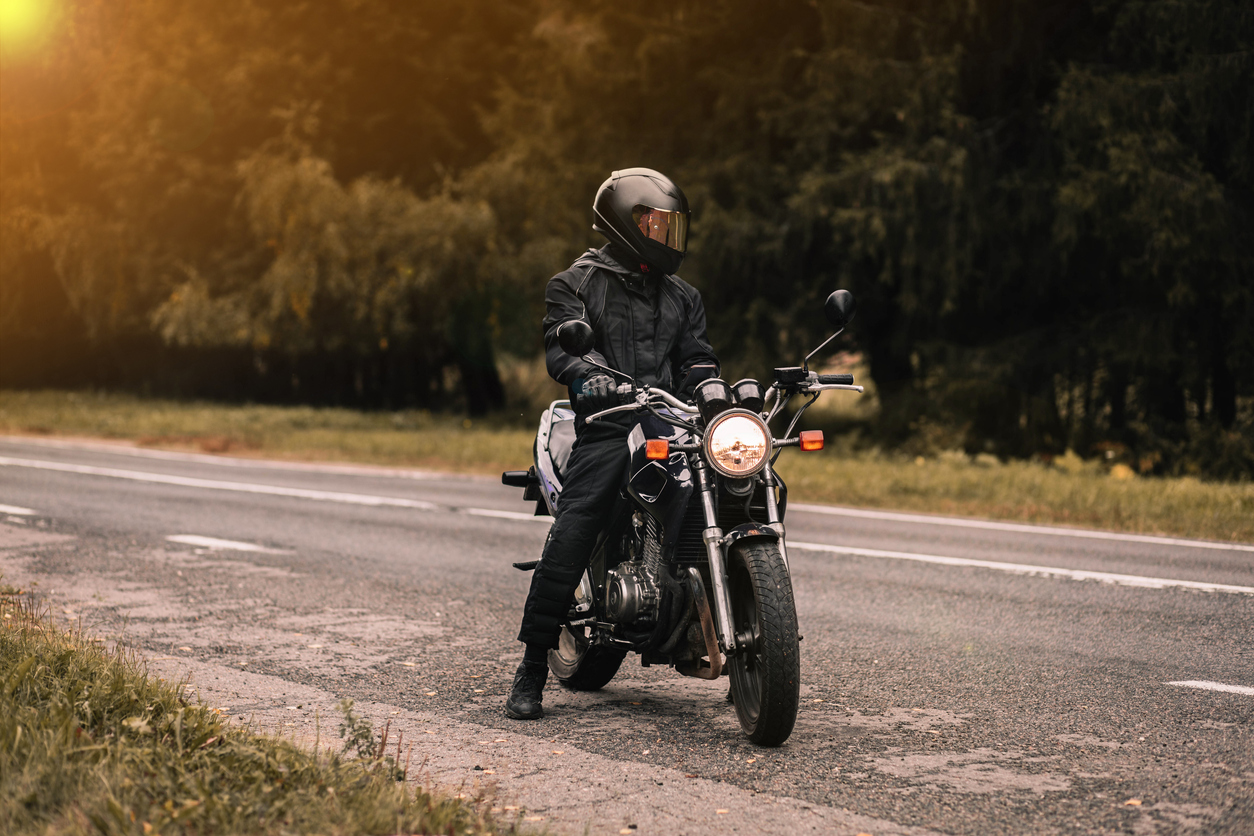
New York requires residents who operate motorcycles to have the proper motorcycle license or permit. The state recognizes two main motorcycle license classes: Class M for motorcycle operators and Class MJ for junior motorcycle operators. The type of license a rider needs generally depends on age and licensing status.
A motorcycle accident lawyer can help you understand the differences, which can help new riders follow New York licensing rules before getting on the road. Riders may also encounter motorcycle learner permits, combined license classes, and restrictions that apply to certain motorcycles.
What Is a Class M Motorcycle License in New York?
A Class M license is New York’s standard motorcycle operator license. It allows a person to operate a motorcycle on public roads, subject to the same traffic laws and motorcycle-specific rules that apply throughout the state.
A New York resident must first obtain a motorcycle learner permit before getting a motorcycle license. Applicants must pass a written motorcycle permit test before they can move on to the practice and road-test stages of the process.
If a rider already holds another New York driver license, the motorcycle class can be added to the existing license. For example, someone with a Class D driver license and Class M motorcycle privileges may have “Class DM” listed on the same license document.
What Is a Class MJ Motorcycle License?
A Class MJ license is a junior motorcycle operator license. Junior motorcycle operators are subject to New York’s graduated licensing requirements and additional restrictions that apply to drivers under age 18.
For example, a rider younger than 18 must hold a learner permit for at least six months before scheduling a road test. Junior applicants must also meet supervised-driving requirements that apply to young drivers.
These restrictions are intended to give younger riders more time to gain experience before receiving unrestricted driving privileges.
Is a Motorcycle Learner Permit a Type of License?
A motorcycle learner permit is not the same as a full motorcycle license. Instead, it allows a person to practice riding while working toward a Class M or Class MJ license.
While practicing, a permit holder must be supervised by someone who is at least 21 years old and holds a valid motorcycle license. The supervising rider must remain within one-quarter mile of the learner. Additional restrictions apply to Class MJ permit holders.
The New York DMV recommends at least 30 hours of motorcycle practice before the road test, including at least 10 hours in medium- to high-volume traffic. These practice hours are recommendations rather than general minimum requirements for adult riders.
Can I Get a Motorcycle Road Test Waiver?
Some applicants can obtain a waiver of the motorcycle road test by completing an approved motorcycle safety course.
To qualify, a rider must be at least 16 years old, hold a valid New York driver’s license in an eligible class, and have a valid Class M or MJ motorcycle learner permit. The rider must also complete an approved Basic Rider Course or qualifying license-waiver course through the New York State Motorcycle Safety Program.
A motorcycle safety course completed in another state does not qualify for the New York road-test waiver.
Are There Special Motorcycle License Restrictions?
Yes. For example, the type of motorcycle used during a road test can affect the rider’s license privileges. If an applicant takes the motorcycle road test on a three-wheeled motorcycle, the resulting license will be restricted to three-wheeled motorcycles. A rider who wants unrestricted motorcycle privileges should understand this rule before choosing a vehicle for the road test.
New York also allows residents of other states or countries to operate motorcycles in the state if they have a valid motorcycle license issued by their home jurisdiction. Riders younger than 18 must follow applicable restrictions imposed by both New York and their home jurisdiction.
Finally, mopeds are considered “limited use motorcycles” in New York. While Class A mopeds require a motorcycle license, Class B and C mopeds can be operated legally with a standard NY driver’s license. Dirt bikes, however, are typically not street legal in New York without expensive modifications.
Contact a New York Motorcycle Accident Lawyer at Carrion Accident & Injury Attorneys, PLLC for Help
Having the correct license does not prevent every motorcycle crash. Riders can still be injured when another motorist speeds, fails to yield, follows too closely, or otherwise drives carelessly.
If you were hurt in a motorcycle crash, Carrion Accident & Injury Attorneys, PLLC, can review the circumstances and explain your options for pursuing compensation. Contact the firm today at 212-CARRION to schedule a free consultation with a New York motorcycle accident lawyer.
We proudly serve clients from our offices in Queens, Manhattan, and Long Island. Our attorneys represent injury victims across Queens County, Nassau County, Suffolk County, New York County, and nearby communities throughout the New York metropolitan area.
Long Island Injury Law Office
Carrion Accident & Injury Attorneys, PLLC
532 Broadhollow Rd, Suite 125, Melville, NY 11747
(212) 433-3100
Open 24/7
Queens Injury Law Office
Carrion Accident & Injury Attorneys, PLLC
74-09 37th Ave #301A, Jackson Heights, NY 11372
(718) 550-7851
Open 24/7
Manhattan Injury Law Office
Carrion Accident & Injury Attorneys, PLLC
211 E 43rd St, Suite 7-11, New York, NY 10017
(646) 718-4458
Open 24/7